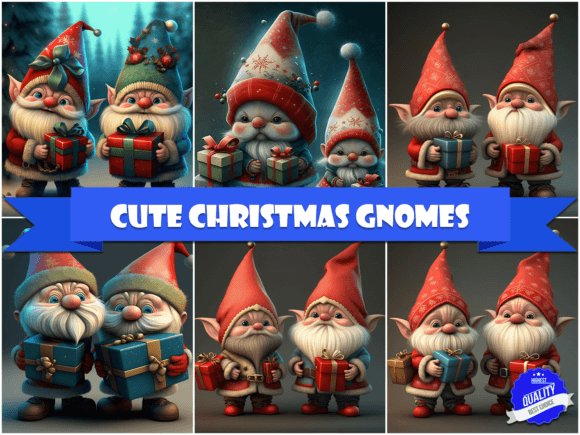
Christmas Baby Illustrations for Branding and Marketing
As a brand designer and content marketer, I've spent years evaluating graphic design assets to determine their suitability for real-world marketing scenarios. Today, I'm reviewing Christmas Baby Illustrations, a set of creative design elements that could be a valuable addition to your visual toolkit, especially around the holiday season.
First Impressions: A Warm and Festive Mood
The first thing that stands out about Christmas Baby Illustrations is its warm and festive mood. These illustrations evoke a sense of joy, nostalgia, and family-centered celebration, which makes them ideal for lifestyle content, event promotions, and seasonal campaigns. The emotional tone is gentle yet engaging, making it suitable for casual branding or even premium visuals if paired correctly.
Whether you're designing product labels, editorial graphics, or social media posts, these illustrations bring a soft, approachable feel that resonates with audiences looking for comfort and connection during the holidays.
Real-World Applications in Marketing and Branding
Christmas Baby Illustrations can serve as a versatile graphic design asset across multiple platforms. From social media graphics to packaging design, these illustrations add a personal touch that enhances brand identity without overwhelming the viewer.
- Product Launch Visuals: Use them in campaign headers or hero graphics to create an inviting atmosphere for new products.
- Social Media Covers: They pair well with holiday-themed content, such as gift guides or seasonal offers.
- Promotional Banners: Ideal for digital ads, email banners, or website headers that need a festive but professional appearance.
- Editorial Design: Perfect for blog graphics, Pinterest pins, or Canva templates that aim to blend storytelling with visual appeal.
These illustrations are also great for content marketing efforts, where visual consistency plays a crucial role in building audience trust and recognition. Whether you're creating lead magnets, media kits, or printable promotions, they offer a cohesive look that aligns with modern design trends.
Supporting Marketing Goals with Emotional Connection
One of the key strengths of Christmas Baby Illustrations is their ability to foster emotional connections with your audience. In a world filled with generic marketing visuals, these illustrations stand out by offering a unique, handcrafted feel that feels more authentic and relatable.
They help achieve stronger first impressions, clearer visual hierarchy, and more consistent branding—especially when used alongside other design assets from the same collection. This consistency is vital for small business branding, where every visual element contributes to brand recognition and customer loyalty.
Additionally, they support better engagement on platforms like Instagram and Facebook, where users are drawn to visually appealing and emotionally resonant content. When used thoughtfully, these illustrations can elevate your campaign visuals and make your brand more memorable.
Where These Illustrations Work Best
Christmas Baby Illustrations shine in several key areas of marketing and branding:
- Hero Graphics: Perfect for landing pages or campaign headers that require a festive yet professional look.
- Campaign Headers: Add warmth and personality to digital ads or promotional emails.
- Branded Templates: Incorporate them into Canva templates, printable designs, or editorial layouts for a cohesive aesthetic.
- Packaging Accents: Enhance product labels or packaging inserts with a touch of holiday cheer.
- Decorative Brand Elements: Use them as subtle accents in web design, social media covers, or merchandise.
These illustrations are particularly effective when used in conjunction with other design assets that share a similar style or color palette. Their versatility allows them to fit seamlessly into various aspects of your brand's visual communication strategy.
Limitations and Considerations
While Christmas Baby Illustrations are highly versatile, there are a few situations where they may not be the best choice. For example, they may not be suitable for formal corporate branding or dense information layouts, where clarity and minimalism are key.
Use caution when placing them on small mobile graphics or low-contrast backgrounds, as this could affect readability and overall impact. Additionally, ensure that they don't compete with the main message in text-heavy ads or designs where visual hierarchy is critical.
It's also important to test these illustrations with your brand's color palette, check how they look in black and white, and preview them on mobile screens. Pairing them with different font styles—such as serif, sans serif, script, or display fonts—can also influence how they're perceived in various contexts.
Practical Notes for Brand Designers and Marketers
If you're considering using Christmas Baby Illustrations in your next project, here are a few practical notes to keep in mind:
- Test with Your Brand Palette: Ensure the illustrations complement your existing brand colors and do not clash with your logo or other design elements.
- Check Commercial Licensing: Always confirm that the illustrations come with a commercial license before using them in paid campaigns, client work, or business branding.
- Preview in Real Campaign Mockups: See how they perform in actual marketing materials, such as print ads, web banners, or packaging.
- Review Spacing and Balance: Make sure the illustrations don't overpower other design elements and maintain a balanced layout.
- Compare with Competitor Visuals: Understand how these illustrations differentiate your brand and whether they align with your target audience's expectations.
By carefully integrating Christmas Baby Illustrations into your marketing strategy, you can enhance your brand's visual storytelling and connect more effectively with your audience. Whether you're launching a new product, refreshing your social media visuals, or building a content kit, these illustrations offer a powerful tool to elevate your brand's presence in a competitive marketplace.